
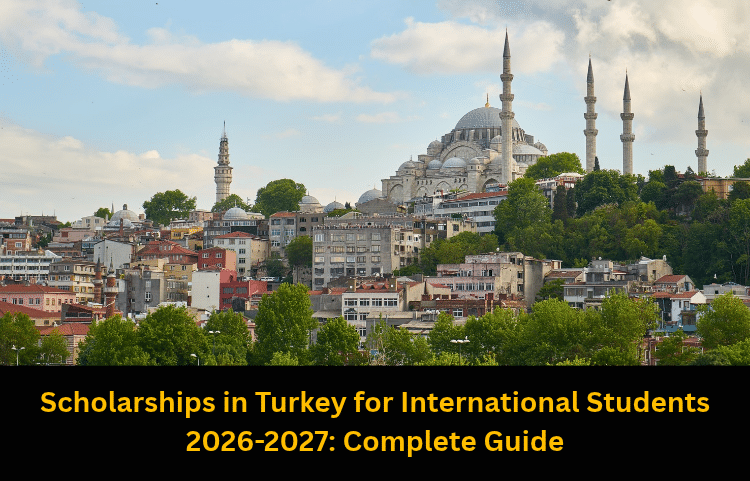
Scholarships in Turkey for International Students 2026-2027: Complete Guide
Turkey, officially Türkiye, is an increasingly important destination for international students seeking undergraduate, master’s, doctoral, and research opportunities. Turkish universities offer programs in a wide range of disciplines, while the Turkish government and individual universities provide several forms of financial support for international students. Among the most significant opportunities is the Türkiye Scholarships program, a government-funded scholarship scheme that combines financial support with university and program placement for eligible international students. For students considering Turkey, it is important to understand that “scholarship in Turkey” does not refer to one single funding scheme. Students may apply for government scholarships, university scholarships, tuition discounts, research funding, or other forms of financial assistance. The eligibility criteria, application process, and benefits differ between programs. What Are Türkiye Scholarships? Türkiye Scholarships is a government-funded international scholarship program administered by the Turkish government. It is designed to provide international students with opportunities to pursue higher education at Turkish universities. The program covers different academic levels and has historically included opportunities for: Undergraduate study Master’s study Doctoral study Short-term research Selected specialized programs One of the distinctive features of Türkiye Scholarships is that the program can combine scholarship funding with university and academic program placement. Students should distinguish Türkiye Scholarships from scholarships offered directly by individual Turkish universities. A university may have its own scholarship rules even if it participates in programs available to international students. What Does Türkiye Scholarships Cover? The benefits depend on the scholarship program and the student’s academic level. Türkiye Scholarships can include several forms of financial and academic support. Potential benefits include: 1. Tuition Fee Support Eligible scholarship recipients may receive coverage of tuition fees according to the terms of their scholarship. 2. Monthly Scholarship Selected students may receive a monthly stipend intended to contribute toward living expenses. The amount and conditions can change, so applicants should always check the current official scholarship announcement rather than relying on figures published for previous years. 3. Accommodation Scholarship benefits can include accommodation in university or government-supported student residences according to the applicable scholarship conditions. 4. Health Insurance Eligible Türkiye Scholarships recipients can receive health insurance coverage under the scholarship program. 5. Turkish Language Preparation Students whose academic program requires or includes Turkish-language preparation may receive support for a Turkish language course. Türkiye Scholarships has traditionally included a one-year Turkish language course for many scholarship recipients. 6. University Placement One of the important characteristics of Türkiye Scholarships is that the program can include university and program placement as part of the scholarship process. 7. Travel Support Depending on the scholarship terms, selected students may receive assistance related to their initial arrival and return travel. Because scholarship benefits can change, students should verify the exact package offered in the year they apply. Who Can Apply for Türkiey Scholarships? Türkiye Scholarships are primarily intended for international students who meet the eligibility requirements established by the program. Applicants are assessed according to criteria that can include: Academic achievement Age Previous educational qualifications Nationality Selected academic field Degree level Program-specific requirements Other conditions specified in the official application announcement Meeting the minimum eligibility requirements does not mean that a scholarship is guaranteed. Türkiye Scholarships are competitive, and applications are evaluated against other eligible candidates. Türkiye Scholarships: Academic Levels Turkey has both public universities and private/foundation universities. Public Universities Public universities can offer a wide range of academic programs and may have different admission procedures and tuition structures for international students. Private or Foundation Universities Private and foundation universities may offer modern campuses, international programs, English-taught degrees, scholarships, and different payment options. The important thing is to compare universities based on your individual requirements rather than assuming that one category is automatically better. Before applying, check the university’s official website for current tuition fees, admission requirements, scholarship conditions, and application deadlines. 4. Compare Tuition Fees Carefully Tuition fees are one of the most important factors for international students. Fees can vary according to: University Degree level Academic program Teaching language Faculty Student status Scholarship or discount For example, a business program and a medical program may have very different costs at the same university. Don’t look only at the advertised tuition fee. Check whether there are additional expenses such as registration fees, laboratory fees, examination charges, accommodation, insurance, or other university-related costs. Make a Simple Budget Before selecting a university, calculate: Tuition + Accommodation + Food + Transportation + Health/Insurance + Personal Expenses This will give you a more realistic idea of the total cost of studying in Turkey. 5. Look for Scholarships and Tuition Discounts Scholarships can significantly reduce the overall cost of studying abroad. International students should check both: University-specific scholarships Government or external scholarship opportunities Some universities may provide scholarships based on academic performance, while others may offer discounts according to their own international student policies. Always check the conditions carefully. A scholarship may cover a percentage of tuition rather than living expenses. Also confirm: Scholarship percentage Duration Renewal requirements Academic conditions Whether it covers tuition only Whether accommodation is included Never assume that a scholarship will continue automatically throughout your degree. 6. Choose the Right City The location of your university can have a major impact on your student experience. Istanbul Istanbul is one of Turkey’s largest and most internationally connected cities. It offers a large student population, diverse communities, transportation options, businesses, and cultural attractions. However, students should also consider the cost of living when selecting a university in Istanbul. Ankara Ankara is Turkey’s capital and has several established universities. Students interested in a more academic and administrative environment may consider universities in the capital. Izmir Izmir is another major Turkish city with universities and a coastal lifestyle. Students may consider it depending on their academic program, budget, and personal preferences. Don’t Choose a City Only Because It Is Popular Consider: Monthly living costs Transportation Accommodation availability Distance from campus Student lifestyle Climate Part-time opportunities where legally permitted Access to airports and public transportation 7. Check the Language of Instruction Language is an important
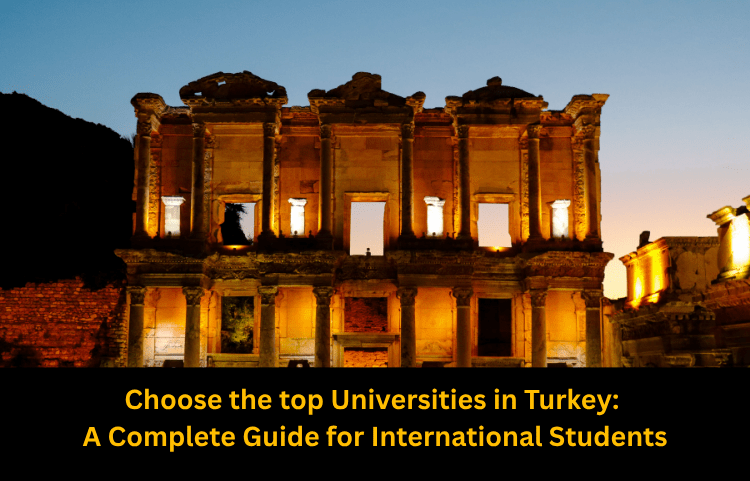
Choose the top Universities in Turkey: A Complete Guide for International Students
Choosing the right university is one of the most important decisions when planning to study abroad. Turkey has become an attractive destination for international students because it offers a wide range of academic programs, modern universities, diverse student communities, and different options for students with different budgets. However, choosing the top university in Turkey should not be based only on its ranking or popularity. The best university for one student may not be the right choice for another. Your academic background, preferred program, budget, career plans, language requirements, and preferred city should all be considered before making a decision. This guide explains the key factors international students should consider when selecting a Turkish university. Why Consider Studying at a University in Turkey? Turkey offers a higher education system with universities ranging from large public institutions to private and foundation universities. Students can find bachelor’s, master’s, doctoral, and professional programs in fields such as engineering, business, medicine, computer science, architecture, social sciences, and many others. Another important advantage is the variety of study environments. Students can choose between major cities such as Istanbul and Ankara or consider universities in other Turkish cities depending on their academic and lifestyle preferences. For Pakistani students, Turkey can also provide an opportunity to experience a different culture while studying in an increasingly international academic environment. 1. Start With Your Preferred Degree Program The first step is to decide what you want to study. Instead of searching for universities first, identify your preferred degree and specialization. For example, a student interested in technology might compare computer science, software engineering, artificial intelligence, or information systems programs. When comparing programs, look at: Course subjects Program duration Specializations Teaching language Practical training Laboratory facilities Internship opportunities Research opportunities Career services Entry requirements Two universities may offer the same degree title but have completely different course structures. Therefore, read the curriculum carefully before applying. 2. Check the University’s Academic Reputation University reputation can be an important factor, particularly if you plan to continue your education or build an international career. When researching a Turkish university, look at its: Academic reputation Faculty qualifications Research activities International partnerships Accreditation Academic facilities Graduate outcomes Recognition of the degree Ranking universities can be useful as one reference point, but they should not be the only factor in your decision. A university with a strong ranking may not necessarily offer the specific program, tuition level, location, or teaching environment you need. 3. Compare Public and Private Universities Turkey has both public universities and private/foundation universities. Public Universities Public universities can offer a wide range of academic programs and may have different admission procedures and tuition structures for international students. Private or Foundation Universities Private and foundation universities may offer modern campuses, international programs, English-taught degrees, scholarships, and different payment options. The important thing is to compare universities based on your individual requirements rather than assuming that one category is automatically better. Before applying, check the university’s official website for current tuition fees, admission requirements, scholarship conditions, and application deadlines. 4. Compare Tuition Fees Carefully Tuition fees are one of the most important factors for international students. Fees can vary according to: University Degree level Academic program Teaching language Faculty Student status Scholarship or discount For example, a business program and a medical program may have very different costs at the same university. Don’t look only at the advertised tuition fee. Check whether there are additional expenses such as registration fees, laboratory fees, examination charges, accommodation, insurance, or other university-related costs. Make a Simple Budget Before selecting a university, calculate: Tuition + Accommodation + Food + Transportation + Health/Insurance + Personal Expenses This will give you a more realistic idea of the total cost of studying in Turkey. 5. Look for Scholarships and Tuition Discounts Scholarships can significantly reduce the overall cost of studying abroad. International students should check both: University-specific scholarships Government or external scholarship opportunities Some universities may provide scholarships based on academic performance, while others may offer discounts according to their own international student policies. Always check the conditions carefully. A scholarship may cover a percentage of tuition rather than living expenses. Also confirm: Scholarship percentage Duration Renewal requirements Academic conditions Whether it covers tuition only Whether accommodation is included Never assume that a scholarship will continue automatically throughout your degree. 6. Choose the Right City The location of your university can have a major impact on your student experience. Istanbul Istanbul is one of Turkey’s largest and most internationally connected cities. It offers a large student population, diverse communities, transportation options, businesses, and cultural attractions. However, students should also consider the cost of living when selecting a university in Istanbul. Ankara Ankara is Turkey’s capital and has several established universities. Students interested in a more academic and administrative environment may consider universities in the capital. Izmir Izmir is another major Turkish city with universities and a coastal lifestyle. Students may consider it depending on their academic program, budget, and personal preferences. Don’t Choose a City Only Because It Is Popular Consider: Monthly living costs Transportation Accommodation availability Distance from campus Student lifestyle Climate Part-time opportunities where legally permitted Access to airports and public transportation 7. Check the Language of Instruction Language is an important factor when selecting a Turkish university. Some programs are taught in English, while others may be taught in Turkish. There may also be programs with a combination of languages. Before applying, confirm: Does the program offer complete instruction in English? Will you need to complete a language preparation year? Which English-language tests does the university accept? Is Turkish language proficiency required? Are preparatory courses available for international students? Pakistani students who prefer to study in English should pay particular attention to the official language of instruction rather than relying only on the university’s general description. 8. Understand Admission Requirements Every university and program can have different admission requirements. For undergraduate admission, universities may ask for academic certificates, transcripts, passport documents, photographs, and other supporting documents. Some programs

Myths About Studying in Europe: What Pakistani Students Should Know
Europe is one of the most popular destinations for international students, including students from Pakistan. However, many students hesitate to apply because they hear different things about tuition fees, English tests, visas, part-time work, and career opportunities. Some of these ideas are based on outdated information or experiences from a particular country. Here are 5 common myths about studying in Europe and what students should actually understand. Myth 1: Studying in Europe Is Too Expensive One of the most common myths is that studying in Europe is always expensive. In reality, the total cost depends greatly on the country, university, degree program, and lifestyle. European countries have different tuition-fee structures. Some universities and programs can be relatively affordable, while others may have higher tuition fees. Students may also find scholarships, tuition reductions, or other funding opportunities depending on their academic profile and chosen institution. Living costs also vary considerably between European cities. Accommodation, food, transportation, health insurance, and other expenses should therefore be considered alongside tuition fees. The reality: Europe does not have one fixed study cost. Students should compare individual countries, universities, programs, tuition fees, and living expenses before making a decision. Myth 2: IELTS Is Mandatory for Every European University Another common misconception is that every student must take IELTS before applying to a European university. This is not universally true. English-language requirements depend on the university, program, and student’s previous education. Some institutions may accept other recognized English-language tests, while certain universities or programs may consider previous education taught in English as evidence of English proficiency. However, students should not assume that an English test will automatically be waived. Requirements can differ even between universities in the same country. The reality: There is no single English-language rule for all of Europe. Students should check the official requirements of their chosen university and program before applying. Myth 3: Getting a European Student Visa Is Impossible Many students believe that European student visas are almost impossible to obtain. This can create unnecessary fear among applicants. A student visa application generally requires students to demonstrate that they meet the immigration requirements of their chosen country. Depending on the destination, applicants may need documents such as an admission letter, proof of financial resources, accommodation details, health insurance, educational documents, and other supporting evidence. Visa decisions are made according to the rules of the relevant country. An admission offer alone does not guarantee visa approval. The reality: A European student visa is not guaranteed, but it is also not automatically impossible. Students need to understand the specific requirements, prepare accurate documentation, and follow the correct application process. Myth 4: International Students Cannot Work While Studying in Europe Some students think that studying in Europe means they cannot work alongside their studies. This is another misconception. Many European countries allow international students to work while studying, but the conditions vary by country and immigration status. There may be restrictions on working hours, types of employment, registration requirements, or periods when students are permitted to work. Part-time employment should also not be treated as a guaranteed way to cover all educational and living expenses. The reality: Work opportunities may be available, but students must follow the current rules of their destination country and should plan their finances without depending entirely on part-time income. Myth 5: Studying in Europe Automatically Leads to Permanent Residency Some students choose a European study destination because they believe completing a degree will automatically give them permanent residency. This is not how immigration systems generally work. Studying can sometimes provide a pathway to further opportunities after graduation, but post-study residence, employment, and permanent residency rules differ between countries. Eligibility may depend on factors such as employment, salary, length of residence, type of permit, and other legal requirements. A student should therefore distinguish between studying in a country, obtaining a post-study residence option, and qualifying for permanent residency. These are separate stages with different requirements. The reality: A European degree may provide opportunities after graduation, but permanent residency is not automatic. Students interested in long-term residence should research the current immigration rules of their chosen country. Conclusion Studying in Europe can offer international students access to diverse universities, academic programs, and international experiences. However, making decisions based on myths can lead to confusion and unrealistic expectations. Before applying, students should verify tuition fees, English-language requirements, visa conditions, work rules, and post-study options through official university and government sources. With accurate information and proper planning, students can make a study-abroad decision based on their actual academic, financial, and career goals. FAQs 1. Is studying in Europe affordable for Pakistani students? It depends on the country, university, and program. Some European study options have comparatively affordable tuition fees, while living costs also vary by city. 2. Do all European universities require IELTS? No. English-language requirements differ by university and program. Some institutions may accept alternative proof of English proficiency. 3. Can Pakistani students work while studying in Europe? In many European countries, international students can work subject to specific conditions and restrictions. The rules differ by country, so students should check the current regulations. 4. Does admission to a European university guarantee a student visa? No. University admission and visa approval are separate processes. Students must also meet the immigration and documentation requirements of their chosen country. 5. Does studying in Europe guarantee permanent residency? No. Completing a degree does not automatically lead to permanent residency. Post-study and residency options depend on the immigration rules of the individual country. 6. Do I need to learn a European language before studying there? Not necessarily. Many universities offer programs taught in English. However, learning the local language can be helpful for daily life and employment. 7. Are scholarships guaranteed for international students? No. Scholarships have specific eligibility criteria and are often competitive. Students should check each scholarship’s requirements and deadline. 8. Is every European country the same for international students? No. Tuition fees, visa rules, work rights, admission requirements, and post-study options can vary

HEC and MOFA Attestation Process for Pakistani Students 2026–2027
Planning to study abroad in 2026–2027? Document attestation is an important part of the admission, visa, and document legalization process for many international destinations. For Pakistani students, HEC attestation is generally required for university-level degrees, while MOFA (Ministry of Foreign Affairs) attestation or Apostille is used as the final authentication step for documents that need to be presented abroad. The exact requirements can vary depending on the destination country and institution. Here is the complete step-by-step process. What Is HEC Attestation? HEC stands for the Higher Education Commission of Pakistan. HEC verifies and attests academic documents issued by recognized Pakistani universities and higher-education institutions. Higher Education Commission (HEC) attestation commonly applies to documents such as: Bachelor’s degrees Master’s degrees MPhil/MS degrees PhD degrees University transcripts Provisional certificates and other eligible higher-education documents HEC provides an online degree-attestation system through its e-services portal. What Is MOFA Attestation? MOFA stands for the Ministry of Foreign Affairs of Pakistan. MOFA is the final Pakistani government authority for authenticating documents for international use. Depending on the destination and purpose, MOFA may issue an attestation or Apostille. Pakistan is a party to the Hague Apostille Convention, which provides a simplified authentication process for participating countries. HEC Attestation Process 2026–2027 Step 1: Create an HEC Account First, create or log in to your account through the official HEC e-services portal. HEC e-Services Portal HEC requires applicants to apply online for degree attestation. Step 2: Complete Your Profile Enter your personal and academic information carefully. Make sure your: Name CNIC/passport details Contact information Educational information match your original documents. Step 3: Upload Your Documents Upload clear and readable scans of the required documents. Depending on your case, these may include: CNIC or passport Degree Transcript Provisional certificate Previous academic documents Other documents requested by HEC HEC specifically requires clear copies of identity documents and relevant academic documents. Step 4: Submit the Attestation Application Select the documents you want HEC to attest and submit your application through the online system. HEC may verify your academic record with your university before completing the attestation. Step 5: Select the Available Attestation Method Follow the option available in your HEC application, such as the applicable courier or designated service process. HEC has designated courier services for domestic degree-attestation applicants, including TCS. Step 6: Pay the Required Fee Pay the applicable HEC attestation fee through the payment method provided in the HEC system and verify the payment in your profile where required. Step 7: HEC Verification and Attestation HEC reviews your application and verifies your documents. Once approved, your degree/document is attested according to the selected process. Important: Do not submit unclear, altered, or mismatched documents because discrepancies can delay the application. What About Matric and Intermediate Certificates? A common mistake is assuming that all educational documents are attested by HEC. HEC mainly deals with higher-education documents. For Pakistani school and college certificates, the relevant authority can be IBCC (Inter Boards Coordination Commission) before MOFA, depending on the document and its intended use. For example, MOFA’s own guidance states that educational certificates issued by Pakistani Boards of Intermediate and Secondary Education should be countersigned by IBCC, while university degrees should be attested by HEC. So, the basic route can be: Matric/Intermediate → IBCC → MOFA while for a university degree: University Degree → HEC → MOFA/Apostille Always check the requirements of your destination country before starting the process. MOFA Attestation / Apostille Process 2026–2027 Once your university documents have completed the required HEC verification, you can proceed to MOFA. Step 1: Check the Destination Country Before applying, check whether your destination accepts a Pakistani Apostille or requires traditional document legalization. MOFA publishes a list of countries accepting Apostille documents. Step 2: Register Online For Apostille services, MOFA has introduced online registration requirements. From 27 July 2026, Apostille attestation services are not entertained without prior online registration. Use the official MOFA Apostille portal: MOFA Apostille Portal Step 3: Select the Document Type Choose the relevant category, such as: Educational document Personal document Legal document Commercial document For students, educational documents are normally the relevant category. MOFA lists educational documents among the documents eligible for Apostille services. Step 4: Book/Register for the Service Complete the online registration/application requirements and follow the appointment or submission instructions provided by MOFA. Do not rely on old information saying that you can simply walk in without prior online registration. Step 5: Submit Your Attested Documents Submit the required original documents and supporting documents according to the current MOFA instructions. MOFA also provides attestation services through designated courier arrangements in addition to its facilitation offices. Step 6: Pay the MOFA Fee The current MOFA Apostille fee schedule lists Rs. 3,000 for an educational document. Fees can change, so students should confirm the amount on the official MOFA portal before payment. Step 7: Receive Your MOFA Attestation/Apostille After successful verification, MOFA completes the authentication process. If an Apostille is issued, its authenticity can be checked through MOFA’s online verification service. Complete Attestation Flow for Pakistani Students For a university student, the process can generally be understood as: University Degree ↓ HEC Attestation ↓ MOFA Attestation / Apostille ↓ Embassy/Consulate Legalization — if required ↓ Submit to University or Visa Authorities For Matric and Intermediate certificates: Certificate ↓ IBCC Attestation/Countersignature ↓ MOFA Attestation / Apostille ↓ Embassy/Consulate Legalization — if required HEC vs MOFA: What Is the Difference? HEC MOFA Higher Education Commission Ministry of Foreign Affairs Verifies higher-education documents Authenticates documents for international use Mainly university degrees/transcripts Educational, personal, legal and other eligible documents Usually comes before MOFA Usually follows the required prior verification Online HEC application Online MOFA/Apostille registration Documents Students Should Usually Keep Ready Before starting the process, keep: Original degree/certificate Original transcript where applicable CNIC Passport Copies of documents HEC application/payment details IBCC verification where applicable MOFA application/appointment details Destination-country requirements Tip: Keep several photocopies/scanned copies of your attested documents for your records. Do You Always Need Both HEC and MOFA? Not necessarily. The required process
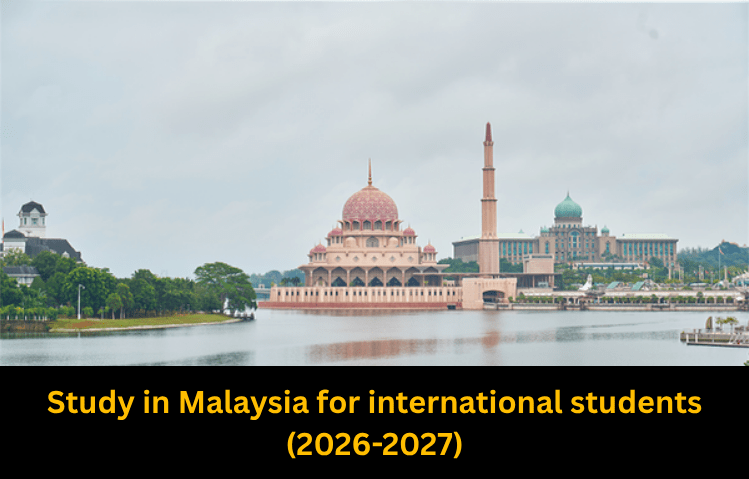
Study in Malaysia for international students (2026–2027)
Malaysia has emerged as an attractive destination for international students looking for quality education, affordable tuition fees, internationally recognized qualifications, and a multicultural environment. With a growing number of universities and higher education institutions, Malaysia offers programs in business, engineering, information technology, medicine, hospitality, finance, architecture, and many other fields. For students who want to experience an international education environment without the comparatively high costs associated with some Western countries, Malaysia can be a practical option. Why Study in Malaysia? There are several reasons why international students choose Malaysia for higher education. 1. Affordable Tuition Fees One of the biggest advantages of studying in Malaysia is the relatively affordable cost of education. Tuition fees vary according to the university, course, and level of study, but many programs can be more cost-effective than similar programs in countries such as the UK, USA, Canada, and Australia. Students should compare the total tuition cost, registration fees, accommodation, insurance, and other university charges before selecting an institution. 2. Affordable Cost of Living Malaysia can also offer a manageable cost of living for international students. Expenses generally include: Accommodation Food and groceries Transportation Mobile and internet services Study materials Personal expenses Health insurance and other required costs The actual budget depends heavily on the city and lifestyle. Students living in major urban areas may spend more than those studying in smaller cities. 3. English-Taught Programs English is widely used in Malaysian higher education, and many universities offer degree programs taught in English. This makes Malaysia an appealing choice for international students who want to study in an English-medium academic environment. However, English-language requirements vary by university and program, so students should check the exact admission requirements before applying. 4. Internationally Recognized Education Malaysia has developed a substantial higher education sector that includes public universities, private universities, colleges, and international branch campuses. Some international universities have also established campuses in Malaysia, giving students access to international academic environments while studying in Southeast Asia. 5. Multicultural Environment Malaysia is known for its cultural diversity. Students can experience Malay, Chinese, Indian, and many international cultures during their studies. This multicultural environment can help international students: Meet people from different backgrounds Experience different traditions Improve communication skills Develop international networks Gain greater cultural awareness Popular Courses to Study in Malaysia Malaysia offers a broad selection of academic programs for international students. Business and Management Business-related degrees are among the popular choices for international students. Students can study areas such as: Business Administration International Business Marketing Human Resource Management Entrepreneurship Management Supply Chain Management Information Technology and Computer Science Malaysia is also an option for students interested in technology and digital careers. Popular programs include: Computer Science Information Technology Software Engineering Artificial Intelligence Cybersecurity Data Science Business Analytics Engineering Students interested in technical and engineering careers can explore programs such as: Mechanical Engineering Electrical Engineering Civil Engineering Chemical Engineering Electronic Engineering Mechatronics Accounting and Finance Students interested in financial careers can choose programs in: Accounting Finance Banking Economics Financial Management Islamic Finance Hospitality and Tourism Malaysia’s tourism and hospitality sector makes hospitality-related education another popular option. Programs may include: Hotel Management Tourism Management Hospitality Management Culinary Arts Event Management Medicine and Healthcare Students interested in healthcare can find programs in areas such as: Medicine Nursing Pharmacy Biomedical Sciences Public Health Medical Sciences Admission requirements for medical and healthcare programs can be significantly different from other courses, so students should carefully review university-specific requirements. Study Levels in Malaysia International students can find programs at different academic levels. Foundation and Diploma Foundation and diploma programs can provide pathways into undergraduate studies, depending on the institution and qualification. Bachelor’s Degree Bachelor’s programs are available in a wide range of disciplines. The duration varies depending on the subject and university. Master’s Degree Students who already hold an undergraduate qualification can explore postgraduate programs such as: MBA MSc MA MEng Master of IT Master of Finance PhD Malaysia also offers doctoral programs for students interested in advanced research and academic careers. Admission Requirements Requirements vary between universities and programs. International students may generally need: Academic certificates and transcripts Valid passport University application English-language evidence where required Passport-size photographs where required Statement of purpose or personal statement for some programs Recommendation letters for certain postgraduate programs Additional documents depending on the course Students applying for professional programs such as medicine or engineering may have additional academic requirements. Always check the specific university’s current admission requirements before submitting an application. English Language Requirements Many Malaysian universities require international students to demonstrate English proficiency. Depending on the institution and program, accepted evidence may include an approved English-language test or other forms of English-language qualification. Some institutions may provide alternative routes or exemptions for eligible students. Therefore, students should check: University → Course → English requirement → Accepted tests/exemptions This is particularly important for students who want to apply without IELTS or with an alternative English qualification Malaysia Student Visa International students generally need the appropriate immigration permission to study in Malaysia. The process commonly involves: Selecting a recognized Malaysian institution. Applying for admission. Receiving an offer letter. Completing the relevant student-pass/visa procedures. Providing the required documents. Completing any required medical or immigration procedures. Entering Malaysia according to the approved requirements. Completing university registration and immigration formalities. Visa requirements can change, so students should verify the latest requirements with their university and Malaysian immigration authorities before applying. Documents Required for Student Visa The exact requirements depend on the student’s nationality, institution, and circumstances. Documents may include: Valid passport Offer letter Academic documents Passport photographs Proof of required payments Medical documentation where required Visa/student-pass forms Other supporting documents requested by the relevant authorities Students should ensure that their documents are accurate, complete, and consistent with their university application. Cost of Living in Malaysia The cost of living depends on the student’s location and lifestyle. Main Expenses Accommodation: Students can choose between university accommodation, private rooms, shared apartments, or private residences. Food: Malaysia offers a wide variety of local and

Cost of Studying in Turkey (2026–2027)
Turkey is becoming a popular choice for international students because it offers quality education, affordable study options, modern universities, and a rich cultural experience. The total cost of studying depends on the university, program, city, and lifestyle. For the 2026–2027 academic year, most non-medical bachelor’s programs at private universities can range roughly from US2,450 to US9,000 per year, while medicine and dentistry can cost significantly more. 1. Tuition Fees Tuition fees are different for public and private universities. Public Universities Public universities are generally more affordable, but international student fees vary by university and program. Some sources report fees from around US250 to US3,000 per academic year, while certain specialized programs can be higher. Students should always check the official fee schedule of their selected university because fees can change according to the program and academic year. Private Universities Private universities usually charge higher tuition fees but offer a wide range of English-taught programs. For 2026–2027, many non-medical bachelor’s programs fall around US2,450–US9,000 per year, although some universities and programs may be outside this range. For example, Istanbul Ticaret University lists its 2026–2027 annual tuition at US6,000 for Turkish-taught bachelor’s programs and US7,000 for English-taught bachelor’s programs. 2. Tuition Fees by Study Field The cost also depends on your chosen subject. Study Field Approximate Annual Tuition Business & Management US3,000–US7,000+ Computer Science & IT US3,000–US9,000+ Engineering US3,000–US12,000+ Architecture US3,000–US9,000+ Pharmacy US9,000–US15,000+ Dentistry US12,500–US44,000 Medicine US12,500–US44,000 These are general planning ranges rather than fixed national fees. Medicine and dentistry are normally much more expensive than most other programs. 3. Cost of Living in Turkey Tuition is not the only expense. Students should also budget for: Accommodation Food Transportation Health insurance Mobile phone and internet Books and study materials Personal expenses Entertainment A typical international student may plan around US300–US600 per month for living expenses, although the actual amount depends on the city and lifestyle. 4. Accommodation Costs Accommodation is usually one of the biggest monthly expenses. Students can choose from: University dormitories Private student residences Shared apartments Private apartments Living with roommates or choosing university accommodation can help students manage their budget. Istanbul is generally a more expensive choice, while cities such as Ankara, Bursa, and some other student destinations may offer more affordable options. 5. Transportation and Food Turkey has extensive public transportation in major cities. Students can often reduce transportation expenses by using student cards and public transport. Food costs depend on personal habits. Cooking at home, using university cafeterias, and shopping from local markets can help students save money. 6. Other Study Expenses Students should also keep a separate budget for initial and additional expenses, such as: Student visa Residence permit Health insurance Flight tickets University registration Document translation and attestation Books and stationery Accommodation deposit Personal expenses The exact amount varies from student to student, so these costs should be checked before starting the application process. 7. Scholarships in Turkey Scholarships can significantly reduce the overall cost of studying in Turkey. International students can explore Türkiye Scholarships, a government scholarship program. Depending on the scholarship and eligibility, support can include tuition and other student expenses. The official Study in Turkey portal also advises students to explore scholarship and financing options when planning their studies. 8. Estimated Budget for 2026–2027 Tuition: US$2,450–US$9,000+Living expenses: Approximately US$3,600–US$7,200 per yearOther expenses: Visa, insurance, flights, accommodation deposits, books, and personal costs This means students should plan their budget according to their specific university, program, city, and accommodation choice rather than using one fixed figure. 9. Is Turkey Affordable for Pakistani Students? Turkey can be an attractive option for Pakistani students who want to study abroad at a comparatively manageable cost. The availability of different universities, English-taught programs, scholarship opportunities, and different city options allows students to choose according to their budget and academic goals. However, students should remember that medicine and dentistry can have much higher tuition fees than business, IT, engineering, and other programs. Final Thoughts Studying in Turkey in 2026–2027 can be a cost-effective option for international students, but the final budget depends on several factors. Before applying, compare tuition fees, accommodation, living expenses, scholarships, university reputation, and program requirements. For students looking for affordable options, choosing a suitable university and city can make a significant difference to the total cost. Planning to study in Turkey? UNIMENTOR Study Abroad Consultants can help you explore suitable universities, programs, tuition fees, scholarships, and the application process. FAQ 1. Is studying in Turkey affordable for international students? Yes, Turkey offers affordable study options compared with many European countries. 2. How much is tuition in Turkey? Tuition fees vary by university, program, and whether the institution is public or private. 3. Are public universities cheaper in Turkey? Generally, public universities have lower tuition fees than private universities. 4. How much does accommodation cost in Turkey? Costs depend on the city and housing type, with dormitories usually being more affordable. 5. What is the average monthly living cost? Many students budget around USD 400–700 per month, depending on their lifestyle and city. 6. Is Istanbul expensive for students? Yes, Istanbul is generally more expensive than many other Turkish cities. 7. Are scholarships available for international students? Yes, international students can apply for scholarships such as Türkiye Scholarships. 8. Can scholarships cover tuition fees? Some scholarships can cover full or partial tuition fees, depending on the scholarship. 9. What other expenses should students consider? Students should budget for food, transport, accommodation, insurance, study materials, and personal expenses. 10. Can Pakistani students afford to study in Turkey? Yes, Turkey can be a cost-effective option for Pakistani students with proper financial planning.
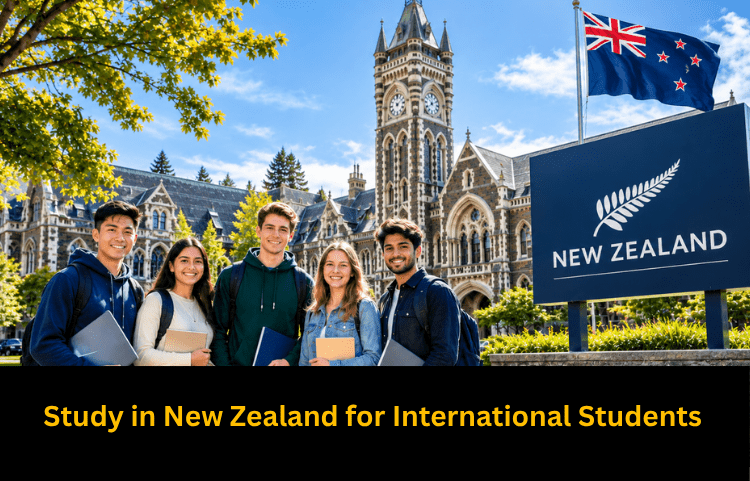
Study in New Zealand for International Students
New Zealand is an attractive study destination for international students because of its high-quality education system, internationally recognised qualifications, English-speaking environment, and practical approach to learning. Students can choose from universities, institutes of technology, polytechnics, and other approved education providers. For international students from Pakistan and other countries, New Zealand offers study options from undergraduate degrees to master’s and PhD programmes. Why Study in New Zealand? There are several reasons international students choose New Zealand: Internationally recognised qualifications High-quality teaching and research English-taught programmes Practical and career-focused education Multicultural environment Beautiful and safe surroundings Scholarships for eligible international students Work opportunities subject to student-visa conditions Wide range of academic programmes New Zealand’s official education platform provides information about studying, scholarships, living costs, and education providers. Tuition Fees in New Zealand Tuition fees vary depending on the university, programme, level of study, and subject. International students generally pay higher fees than domestic students. As a general planning estimate: Study Level Approximate Annual Tuition Fee Diploma / Certificate NZD 15,000–25,000 Bachelor’s Degree NZD 25,000–40,000 Master’s Degree NZD 28,000–45,000 PhD Varies by university and programme Professional programmes such as medicine, dentistry, and some specialised degrees can cost considerably more. Students should always check the exact tuition fee with their chosen university because fees can change from one programme to another. For a Fee Paying Student Visa, students generally need to show that they have paid, can pay, or do not need to pay the tuition fees for their course or one year of study, whichever is shorter. Cost of Living in New Zealand The cost of living depends on the city, accommodation type, food, transportation, and personal lifestyle. For tertiary students, Immigration New Zealand currently requires evidence of at least NZD 20,000 per year for living expenses, or NZD 1,667 per month if the study period is less than one year. Typical Student Expenses Shared accommodation: from around NZD 140 per week Catered student accommodation: can be considerably higher Food and groceries: depends on lifestyle and location Transportation: varies according to city and travel requirements Entertainment: personal budget Phone and internet: monthly expense Official New Zealand guidance lists shared accommodation from around NZD 140 per week and catered halls of residence from around NZD 484 per week. Important Financial Requirement The NZD 20,000 figure is the current student-visa financial requirement; it should not be treated as a guaranteed total living budget for every student. Your actual cost may be higher depending on your lifestyle and city. Scholarships in New Zealand International students can apply for different scholarships depending on their academic profile, nationality, programme, and university. 1. University Scholarships Many New Zealand universities provide scholarships for international students. These may be based on: Academic achievement Leadership Research potential Specific programmes Country or region Other eligibility criteria 2. New Zealand Government Scholarships The New Zealand Government offers scholarships for eligible students from selected countries. Government-funded scholarships can provide substantial financial support for eligible students. 3. Partial Tuition Scholarships Some universities and education providers offer partial tuition-fee scholarships or awards. These can help reduce the overall cost of studying in New Zealand. Tip: Scholarship deadlines and eligibility requirements vary, so students should check the official scholarship information for their chosen institution before applying. English Language Requirements in New Zealand English-language requirements depend on the university, course, and level of study. A common range for many programmes is: Study Level Typical IELTS Requirement Bachelor’s IELTS 6.0 overall Master’s IELTS 6.5 overall PhD IELTS 6.5 or equivalent Some programmes may require higher scores or minimum scores in individual IELTS bands. Universities may also accept other English tests, such as PTE Academic or TOEFL iBT, depending on their admission policies. It is important to remember that there is no single IELTS score for every New Zealand programme. Always check the exact English requirement for your chosen course. Intakes in New Zealand New Zealand universities and education providers offer different intakes depending on the programme. February/March Intake This is one of the major intakes and is suitable for students applying for a wide range of undergraduate and postgraduate programmes. July Intake The July intake is another important option and is available for many programmes. Other Intakes Some institutions offer additional starts during the year, particularly for: Foundation programmes English-language courses Certificates and diplomas Selected undergraduate programmes Selected postgraduate programmes Important: Not every course is available in every intake. Students should check the specific intake and application deadline for their chosen programme. New Zealand Student Visa International students generally need an appropriate student visa to study in New Zealand. For a Fee Paying Student Visa, students normally need: An offer of place from an approved education provider Evidence of tuition-fee payment or ability to pay Evidence of sufficient living funds Passport and required identity documents Evidence of genuine study intentions Medical or police documents where required Appropriate medical and travel insurance Evidence of onward travel or sufficient funds for it Immigration New Zealand currently states that a Fee Paying Student Visa can allow eligible students to stay for up to four years, depending on the visa granted. Can International Students Work in New Zealand? Eligible international students may be able to work while studying, depending on their student-visa conditions and programme. Some student visas allow eligible students to work up to 25 hours per week during study and full-time during scheduled holidays. The exact work rights must be checked on the student’s visa conditions. FAQs 1. Is New Zealand good for international students? Yes. New Zealand offers quality education, recognised qualifications, practical learning, and a multicultural environment. 2. How much does it cost to study in New Zealand? International tuition fees commonly range from around NZD 15,000 to NZD 45,000+ per year, depending on the programme. 3. How much money do students need for living expenses? Tertiary students currently need to demonstrate NZD 20,000 per year for living expenses for student-visa purposes. 4. What IELTS score is required for New Zealand? Many bachelor’s programmes require around IELTS 6.0, while
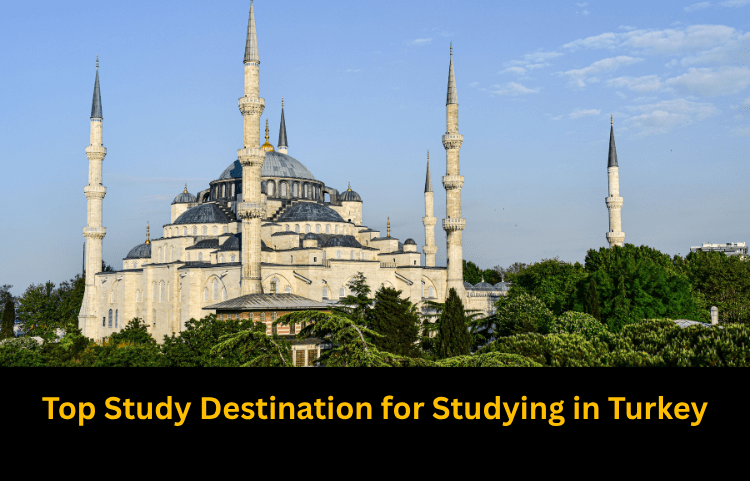
Top Study Destination for Studying in Turkey
Turkey has become a popular study destination for international students, including students from Pakistan. The country offers a combination of quality education, affordable tuition fees, modern universities, and a unique cultural experience. Turkey is located between Europe and Asia, which gives international students the opportunity to experience a diverse environment while studying. Many Turkish universities also offer programs in English, especially at the undergraduate and postgraduate levels. Why Choose Turkey for Higher Education? Turkey can be a good option for students who want to study abroad at a relatively affordable cost. Some of the main benefits include: Affordable tuition fees compared with many Western countries English-taught programs available at many universities Modern universities and research facilities Wide range of degree programs Scholarship opportunities for international students Rich history and culture Affordable lifestyle in many cities Strategic location between Europe and Asia Growing career and business opportunities Top Study Destinations in Turkey 1. Istanbul – Best for International Exposure Istanbul is one of the most popular choices for international students in Turkey. It is a large and vibrant city with a strong education, business, and cultural environment. The city has many universities offering programs in areas such as business, engineering, computer science, medicine, architecture, and social sciences. Why Study in Istanbul? Large number of universities Many English-taught programs Strong business and career environment Excellent public transportation Diverse international community Rich history and cultural attractions More opportunities for internships and networking Best For: Business, IT, Engineering, Medicine, Architecture, Finance, and Social Sciences Istanbul is a good choice for students who enjoy a busy city and want greater exposure to international companies and industries. 2. Ankara – Best for Academic Environment Ankara is the capital city of Turkey and an important center for education, government, and research. It is home to several respected universities and has a strong student population. Compared with Istanbul, Ankara can offer a more focused academic environment and, in some cases, lower living costs. Why Study in Ankara? Strong academic environment Several established universities Good research opportunities Student-friendly atmosphere Good public transportation Generally more affordable than Istanbul Safe and organized urban environment Best For: Engineering, Medicine, Political Science, International Relations, Business, and Computer Science Ankara is especially suitable for students who prefer a city focused on education and professional development. 3. Izmir – Best for a Relaxed Student Lifestyle Izmir is located on the Aegean coast and is known for its pleasant weather, coastal lifestyle, and welcoming atmosphere. The city combines education with a relaxed lifestyle, making it attractive to students who do not want the fast pace of Istanbul. Why Study in Izmir? Coastal location Pleasant lifestyle Student-friendly environment Several universities and study programs Good transportation Cultural and recreational activities Comfortable environment for international students Best For: Engineering, Business, Economics, Tourism, Architecture, and Social Sciences Izmir can be a great choice for students who want to balance their studies with a comfortable lifestyle. 4. Antalya – Best for Tourism and Hospitality Antalya is one of Turkey’s most famous tourist destinations. It is known for its beaches, warm climate, hotels, and tourism industry. Students interested in tourism and hospitality can benefit from the city’s strong connection with the international tourism sector. Why Study in Antalya? Famous international tourism destination Warm and pleasant climate Strong hospitality industry Relaxed lifestyle International environment Opportunities related to tourism and hospitality Best For: Tourism, Hospitality, Hotel Management, Business, and related fields Antalya is particularly attractive for students who want to build a career in tourism, travel, and hospitality. 5. Bursa – Best for Affordable Student Life Bursa is a historic city located near Istanbul. It is known for its green spaces, historical sites, and industrial development. The city can be a suitable option for students who want a quieter environment while still having access to education and employment opportunities. Why Study in Bursa? More relaxed environment Growing education sector Strong industrial background Historical and cultural attractions Good transportation connections Potentially more affordable lifestyle than Istanbul Best For: Engineering, Business, Manufacturing, Technology, and Economics Bursa is a good option for students interested in industries such as manufacturing and engineering. Choosing the Right Turkish City Choosing a study destination depends on your budget, university, course, career goals, and lifestyle preferences. City Best For Lifestyle Istanbul Business, IT, Engineering, Medicine Busy & International Ankara Medicine, Engineering, Research Academic & Organized Izmir Business, Tourism, Engineering Relaxed & Coastal Antalya Tourism & Hospitality Warm & Leisure-focused Bursa Engineering & Industry Peaceful & Affordable Popular Study Fields in Turkey International students can choose from a wide range of programs, including: Business Administration Computer Science Artificial Intelligence Engineering Medicine Pharmacy Architecture International Relations Economics Tourism and Hospitality Psychology Social Sciences Biotechnology Data Science Tuition Fees in Turkey Tuition fees vary depending on the university, degree level, program, and language of instruction. Public universities are generally more affordable, while private and foundation universities may charge higher fees. Some universities also provide scholarships or tuition discounts to international students. Students should always check the latest tuition fee directly with their chosen university before applying. Cost of Living in Turkey The cost of living depends heavily on the city and lifestyle. Istanbul is generally more expensive than cities such as Ankara, Bursa, or some other student cities. Major expenses may include: Accommodation Food Transportation Health insurance Study materials Personal expenses Choosing student accommodation, sharing an apartment, and using public transportation can help reduce monthly expenses. Scholarships for International Students International students may have access to different scholarship opportunities in Turkey. One of the best-known options is the Türkiye Scholarships program, which can provide financial support to eligible international students. Scholarship benefits and eligibility requirements can vary by program and year, so students should check the latest official requirements before applying. Admission Requirements Requirements depend on the university and degree program. International students may commonly need: Academic certificates and transcripts Valid passport English or Turkish language proof, if required University application form Passport-size photographs Statement of purpose, where required Letters of recommendation, where required

UK vs Europe: Studying in UK vs Europe for Pakistani Students 2026-2027
Choosing between the United Kingdom and Europe for higher education is one of the biggest decisions for Pakistani students in 2026-2027. While the UK remains a top destination due to its globally recognized universities, European countries are becoming increasingly attractive because of their affordable tuition fees, scholarship opportunities, and growing number of English-taught programs. This guide compares the UK and Europe to help you make the best decision based on your academic goals, budget, career plans, and immigration opportunities. Quick Comparison: UK vs Europe Factor United Kingdom Europe Tuition Fees £11,000–£35,000/year €2,000–€18,000/year Living Costs £10,000–£15,000/year €6,000–€12,000/year Study Duration Bachelor’s: 3 years, Master’s: 1 year Bachelor’s: 3–4 years, Master’s: 1–2 years Scholarships Numerous university scholarships Government & university scholarships Work During Studies Up to 20 hours/week Usually 20 hours/week (varies by country) Post-Study Work Graduate Route (2 years) Depends on country (1–3 years) English Programs Widely available Increasingly available Why Study in the UK? The UK continues to be one of the world’s leading education destinations. Advantages World-Class Universities Home to globally ranked universities with internationally recognized degrees. One-Year Master’s Programs Students save both time and tuition costs by completing postgraduate studies in just one year. Graduate Route Visa International graduates can stay in the UK for up to 2 years after graduation to seek employment. Strong Employment Opportunities The UK offers excellent career prospects in: Business Engineering Artificial Intelligence Healthcare Finance Data Science Diverse Student Community The UK welcomes thousands of Pakistani students every year, making it easier to adapt to campus life. Why Study in Europe? Europe has become increasingly popular among Pakistani students seeking quality education at affordable costs. Advantages Lower Tuition Fees Countries such as: Cyprus Malta Hungary Germany Italy offer comparatively lower tuition fees than the UK. Affordable Living Expenses Many European cities provide lower accommodation and daily living costs, making education more budget-friendly. English-Taught Degrees Thousands of undergraduate and postgraduate programs are now taught entirely in English. Scholarship Opportunities Many universities and governments offer scholarships for international students based on academic merit. Travel Opportunities Students can experience multiple cultures and travel across many European destinations during their studies. Tuition Fee Comparison United Kingdom Undergraduate: £10,000–£20,000 per year Postgraduate: £10,000–£35,000 per year Europe Cyprus: €4,000–€12,000 Malta: €6,000–€12,000 Hungary: €2,000–€8,000 Germany: €0–€6,000 (many public universities charge little or no tuition; semester contributions may apply) Italy: €1,000–€4,000 Living Cost Comparison United Kingdom Average annual expenses: Accommodation Food Transportation Utilities Estimated Total:£10,000–£15,000 Europe Average annual expenses: Accommodation Food Public transport Utilities Estimated Total:€6,000–€12,000 Scholarships Available UK Scholarships University Merit Scholarships Commonwealth Scholarships GREAT Scholarships Chevening Scholarships (Master’s) European Scholarships Erasmus+ Scholarships Government Scholarships University Merit Awards Country-specific tuition discounts Work Opportunities During Studies Both the UK and many European countries allow international students to work approximately 20 hours per week, depending on local regulations. After Graduation UK Graduate Route Visa (2 years) EuropePost-study work opportunities vary by country, with many allowing graduates to remain and seek employment for one to three years. Which Destination is Better for Pakistani Students? Choose the UK if you: Want a globally recognized degree Prefer a one-year master’s program Aim to build an international career Can manage a higher education budget Choose Europe if you: Want affordable tuition fees Need lower living costs Prefer scholarship opportunities Want to experience multiple European cultures Are looking for excellent value for money Conclusion Both the UK and Europe offer excellent educational opportunities for Pakistani students in 2026. If your priority is prestigious universities, shorter master’s degrees, and strong global recognition, the UK remains a top choice. If you are looking for affordable tuition, lower living costs, scholarships, and excellent education quality, Europe is an increasingly attractive option—especially countries like Cyprus, Malta, Hungary, Germany, and Italy. The best destination depends on your academic goals, financial situation, preferred lifestyle, and long-term career plans. Need expert guidance? UNIMENTOR helps Pakistani students choose the right university, secure admissions, apply for scholarships, and navigate the student visa process for both the UK and Europe.