
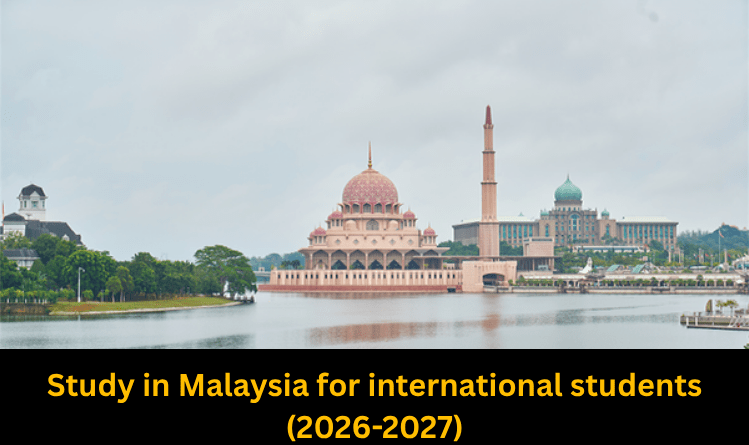
Malaysia has emerged as an attractive destination for international students looking for quality education, affordable tuition fees, internationally recognized qualifications, and a multicultural environment. With a growing number of universities and higher education institutions, Malaysia offers programs in business, engineering, information technology, medicine, hospitality, finance, architecture, and many other fields.
For students who want to experience an international education environment without the comparatively high costs associated with some Western countries, Malaysia can be a practical option.
Why Study in Malaysia?
There are several reasons why international students choose Malaysia for higher education.
1. Affordable Tuition Fees
One of the biggest advantages of studying in Malaysia is the relatively affordable cost of education. Tuition fees vary according to the university, course, and level of study, but many programs can be more cost-effective than similar programs in countries such as the UK, USA, Canada, and Australia.
Students should compare the total tuition cost, registration fees, accommodation, insurance, and other university charges before selecting an institution.
2. Affordable Cost of Living
Malaysia can also offer a manageable cost of living for international students. Expenses generally include:
- Accommodation
- Food and groceries
- Transportation
- Mobile and internet services
- Study materials
- Personal expenses
- Health insurance and other required costs
The actual budget depends heavily on the city and lifestyle. Students living in major urban areas may spend more than those studying in smaller cities.
3. English-Taught Programs
English is widely used in Malaysian higher education, and many universities offer degree programs taught in English. This makes Malaysia an appealing choice for international students who want to study in an English-medium academic environment.
However, English-language requirements vary by university and program, so students should check the exact admission requirements before applying.
4. Internationally Recognized Education
Malaysia has developed a substantial higher education sector that includes public universities, private universities, colleges, and international branch campuses.
Some international universities have also established campuses in Malaysia, giving students access to international academic environments while studying in Southeast Asia.
5. Multicultural Environment
Malaysia is known for its cultural diversity. Students can experience Malay, Chinese, Indian, and many international cultures during their studies.
This multicultural environment can help international students:
- Meet people from different backgrounds
- Experience different traditions
- Improve communication skills
- Develop international networks
- Gain greater cultural awareness
Popular Courses to Study in Malaysia
Malaysia offers a broad selection of academic programs for international students.
Business and Management
Business-related degrees are among the popular choices for international students. Students can study areas such as:
- Business Administration
- International Business
- Marketing
- Human Resource Management
- Entrepreneurship
- Management
- Supply Chain Management
Information Technology and Computer Science
Malaysia is also an option for students interested in technology and digital careers.
Popular programs include:
- Computer Science
- Information Technology
- Software Engineering
- Artificial Intelligence
- Cybersecurity
- Data Science
- Business Analytics
Engineering
Students interested in technical and engineering careers can explore programs such as:
- Mechanical Engineering
- Electrical Engineering
- Civil Engineering
- Chemical Engineering
- Electronic Engineering
- Mechatronics
Accounting and Finance
Students interested in financial careers can choose programs in:
- Accounting
- Finance
- Banking
- Economics
- Financial Management
- Islamic Finance
Hospitality and Tourism
Malaysia’s tourism and hospitality sector makes hospitality-related education another popular option.
Programs may include:
- Hotel Management
- Tourism Management
- Hospitality Management
- Culinary Arts
- Event Management
Medicine and Healthcare
Students interested in healthcare can find programs in areas such as:
- Medicine
- Nursing
- Pharmacy
- Biomedical Sciences
- Public Health
- Medical Sciences
Admission requirements for medical and healthcare programs can be significantly different from other courses, so students should carefully review university-specific requirements.
Study Levels in Malaysia
International students can find programs at different academic levels.
Foundation and Diploma
Foundation and diploma programs can provide pathways into undergraduate studies, depending on the institution and qualification.
Bachelor’s Degree
Bachelor’s programs are available in a wide range of disciplines. The duration varies depending on the subject and university.
Master’s Degree
Students who already hold an undergraduate qualification can explore postgraduate programs such as:
- MBA
- MSc
- MA
- MEng
- Master of IT
- Master of Finance
PhD
Malaysia also offers doctoral programs for students interested in advanced research and academic careers.
Admission Requirements
Requirements vary between universities and programs. International students may generally need:
- Academic certificates and transcripts
- Valid passport
- University application
- English-language evidence where required
- Passport-size photographs where required
- Statement of purpose or personal statement for some programs
- Recommendation letters for certain postgraduate programs
- Additional documents depending on the course
Students applying for professional programs such as medicine or engineering may have additional academic requirements.
Always check the specific university’s current admission requirements before submitting an application.
English Language Requirements
Many Malaysian universities require international students to demonstrate English proficiency.
Depending on the institution and program, accepted evidence may include an approved English-language test or other forms of English-language qualification.
Some institutions may provide alternative routes or exemptions for eligible students. Therefore, students should check:
University → Course → English requirement → Accepted tests/exemptions
This is particularly important for students who want to apply without IELTS or with an alternative English qualification
Malaysia Student Visa
International students generally need the appropriate immigration permission to study in Malaysia.
The process commonly involves:
- Selecting a recognized Malaysian institution.
- Applying for admission.
- Receiving an offer letter.
- Completing the relevant student-pass/visa procedures.
- Providing the required documents.
- Completing any required medical or immigration procedures.
- Entering Malaysia according to the approved requirements.
- Completing university registration and immigration formalities.
Visa requirements can change, so students should verify the latest requirements with their university and Malaysian immigration authorities before applying.
Documents Required for Student Visa
The exact requirements depend on the student’s nationality, institution, and circumstances. Documents may include:
- Valid passport
- Offer letter
- Academic documents
- Passport photographs
- Proof of required payments
- Medical documentation where required
- Visa/student-pass forms
- Other supporting documents requested by the relevant authorities
Students should ensure that their documents are accurate, complete, and consistent with their university application.
Cost of Living in Malaysia
The cost of living depends on the student’s location and lifestyle.
Main Expenses
Accommodation:
Students can choose between university accommodation, private rooms, shared apartments, or private residences.
Food:
Malaysia offers a wide variety of local and international food options, and eating local food can help students manage their budgets.
Transportation:
Public transportation is available in many major urban areas. Students can also use buses, trains, and other transportation services depending on their location.
Personal Expenses:
Students should also budget for mobile services, entertainment, clothing, study materials, and other personal needs.
A good financial plan should include both monthly living expenses and one-time costs, such as visa fees, deposits, flights, university registration charges, and initial accommodation expenses.
Scholarships in Malaysia
International students may find scholarship opportunities through universities, government-related initiatives, and other organizations.
Scholarships can differ significantly in terms of:
- Eligibility
- Academic requirements
- Nationality
- Course
- Level of study
- Tuition coverage
- Living allowance
- Application deadlines
Students should check individual scholarship conditions rather than assuming that every scholarship is available to international students.
Student Accommodation
International students can usually explore several accommodation options:
University Accommodation
Living on campus can be convenient because students are close to classrooms and university facilities.
Private Accommodation
Students may rent apartments or rooms outside campus. This can provide greater independence but may require additional budgeting for transportation and utilities.
Shared Accommodation
Sharing accommodation with other students can reduce monthly housing costs and provide an opportunity to meet other international students.
Student Life in Malaysia
Studying in Malaysia is not only about academics. International students can experience a diverse lifestyle, food culture, festivals, shopping areas, beaches, historical locations, and modern cities.
Students can participate in:
- University societies
- Sports clubs
- Cultural events
- Student organizations
- Academic activities
- Volunteering
- Social events
This can help students build friendships and develop valuable communication and teamwork skills.
Popular Student Cities in Malaysia
Kuala Lumpur
Kuala Lumpur is Malaysia’s capital and one of the country’s major education and business centers. Students can find numerous universities, shopping areas, restaurants, public transportation options, and employment opportunities.
Selangor
Selangor is home to several higher education institutions and is located around Kuala Lumpur. It can be an attractive option for students looking for access to the capital while considering different accommodation and lifestyle options.
Penang
Penang is known for its universities, multicultural environment, food culture, and historical attractions. It can be a good option for students who prefer a city with a different atmosphere from Kuala Lumpur.
Johor
Johor is another important Malaysian state with universities and educational institutions. Its location also provides access to the wider Southeast Asian region.
Can International Students Work in Malaysia?
International students may have limited opportunities to work subject to Malaysia’s current immigration rules, student-pass conditions, and applicable permissions.
Students should not assume that they can work freely during their studies. Before accepting any employment, they should confirm whether the work is permitted and what restrictions apply to their specific student status.
Benefits of Studying in Malaysia
Studying in Malaysia can offer several advantages:
- Affordable education compared with many Western destinations
- Relatively manageable living expenses
- Many English-medium programs
- Multicultural environment
- Wide selection of courses
- Modern universities and facilities
- International exposure
- Diverse food and lifestyle
- Opportunities to develop global networks
- Access to a growing Southeast Asian education market
Things Students Should Consider Before Applying
Although Malaysia has many advantages, students should make an informed decision.
Before applying, consider:
- University accreditation and reputation
- Course curriculum
- Total tuition fees
- Living costs
- English requirements
- Student-pass requirements
- Accommodation
- Location
- Internship opportunities
- Post-study options
- Career prospects
- University support for international students
Choosing a university only because it has a low tuition fee may not always be the best decision. Students should consider the overall value of the program and its relevance to their career goals.
Why Choose UNIMENTOR for Studying in Malaysia?
Choosing the right university and course can be challenging, especially for international students applying for the first time. UNIMENTOR can help students understand their study options, compare suitable programs, prepare their applications, and navigate the study-abroad process.
From course selection and university applications to visa guidance and pre-departure preparation, professional guidance can make the process more organized and easier to understand.
Final Thoughts
Malaysia can be an excellent option for students searching for a combination of affordable education, English-medium programs, cultural diversity, and international exposure.
Whether you are planning to study Business, IT, Engineering, Healthcare, Finance, Hospitality, or another field, Malaysia offers a variety of academic opportunities.
Before making your final decision, compare universities carefully, check the latest admission and visa requirements, calculate your complete study budget, and select a program that supports your long-term career goals.
Ready to explore your study options in Malaysia? UNIMENTOR can help you take the next step toward your international education journey.
FAQS
1. Is Malaysia a good country for international students?
Yes. Malaysia offers a combination of affordable education, English-taught programs, diverse universities, and a multicultural student environment, making it an attractive destination for international students.
2. How much does it cost to study in Malaysia?
Tuition fees vary depending on the university, course, and study level. Living expenses also depend on the city and lifestyle. Students should calculate tuition, accommodation, food, transportation, and other expenses before applying.
3. Can Pakistani students study in Malaysia?
Yes. Pakistani students can apply to Malaysian universities if they meet the academic, English-language, financial, and immigration requirements of their selected program.
4. Can I study in Malaysia without IELTS?
Some Malaysian universities may accept alternatives to IELTS or provide exemptions for students who meet specific conditions. The requirements depend on the university and program.
5. What can I study in Malaysia?
International students can choose from many programs, including Business, IT, Computer Science, Engineering, Accounting, Finance, Medicine, Hospitality, Tourism, and Social Sciences.
6. Do international students need a student visa for Malaysia?
Yes. International students generally need the appropriate Student Pass/immigration approval to study legally in Malaysia. The process and requirements should be checked according to the latest regulations.
7. Can international students work while studying in Malaysia?
International students may have limited work opportunities subject to current Malaysian immigration rules and applicable permissions. Students should confirm the latest conditions before accepting employment.
8. Are scholarships available for international students in Malaysia?
Yes. Some Malaysian universities and organizations offer scholarships or financial support to eligible international students. Availability and eligibility depend on the institution, course, and academic level.
9. What are the popular cities for international students in Malaysia?
Popular study locations include Kuala Lumpur, Selangor, Penang, and Johor. Each location offers different universities, living costs, facilities, and lifestyle options.
10. How long does it take to complete a degree in Malaysia?
The duration depends on the program and university. Bachelor’s, master’s, diploma, and doctoral programs can have different study periods, so students should check the specific course structure.
11. Is education in Malaysia taught in English?
Many Malaysian universities offer programs taught in English, particularly at private institutions and international campuses. Students should confirm the language of instruction for their chosen program.
12. Why should I choose UNIMENTOR for studying in Malaysia?
UNIMENTOR can assist students with course selection, university applications, document preparation, visa guidance, and pre-departure support, helping make the study-abroad process more organized.









Leave a Reply