
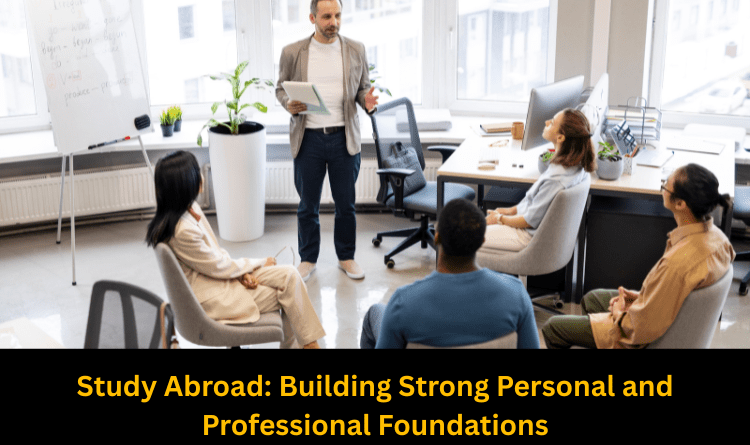
Studying abroad is not just about earning a degree—it’s a powerful journey that transforms students personally and professionally. It exposes them to new cultures, global education systems, and diverse perspectives, helping them grow into confident, skilled, and globally competitive individuals. Below is a detailed breakdown of how studying abroad impacts both personal and professional development.
Personal Development: Growth Beyond Comfort Zone

1. Independence and Self-Reliance
Living in a foreign country pushes students to manage life on their own. From handling finances to cooking meals and navigating transportation, students become more responsible and independent. This real-world exposure builds maturity that cannot be learned in a classroom.
2. Cultural Awareness and Global Mindset
Studying abroad introduces students to different cultures, traditions, and social norms. This experience helps them become more open-minded and respectful of diversity. They develop a global perspective, which is essential in today’s interconnected world.
3. Improved Communication Skills
Students interact with people from different linguistic and cultural backgrounds. This enhances their ability to communicate effectively, both verbally and non-verbally. They also become better listeners and more confident speakers.
4. Adaptability and Problem-Solving
Adjusting to a new environment comes with challenges—language barriers, cultural differences, or homesickness. Overcoming these difficulties builds resilience, flexibility, and strong problem-solving abilities.
5. Personal Confidence and Identity Growth
Living abroad helps students discover their strengths and capabilities. They become more confident, self-aware, and better equipped to handle future challenges.
Professional Development: Building a Global Career Edge

1. Enhanced Employability
Employers value candidates with international exposure because it reflects independence, adaptability, and global awareness. Studying abroad makes your CV stand out in competitive job markets.
2. Access to International Internships and Opportunities
Many universities offer internships, part-time jobs, and industry collaborations. These opportunities provide hands-on experience and help students understand global work environments.
3. Strong Professional Network
Students connect with professors, classmates, and professionals from around the world. These global networks can open doors to future job opportunities and collaborations.
4. Language Proficiency and Communication Advantage
Studying in an international environment improves language skills, especially English. Being multilingual gives students a strong advantage in multinational companies.
5. Exposure to Advanced Education Systems
Students experience modern teaching methods, research facilities, and practical learning approaches. This enhances their knowledge and prepares them for industry demands.
Key Skills Developed Through Study Abroad
- Leadership and teamwork
- Critical thinking and decision-making
- Cross-cultural communication
- Time management and discipline
- Networking and relationship building
- Emotional intelligence and resilience
Long-Term Impact on Life and Career
The benefits of studying abroad continue long after graduation. Students return with a broader worldview, stronger personality, and enhanced career prospects. They are more confident in facing challenges and better prepared for leadership roles in global organizations.
Salaries usually increase significantly with experience and industry specialization.
Conclusion
Studying abroad is a life-changing investment that shapes both your personality and career. It not only provides academic excellence but also builds essential life skills that help you succeed in a global environment. From personal growth to professional success, the impact of international education is long-lasting and transformative.
If you’re planning to study abroad, making the right choices today can define your future tomorrow. With expert guidance from UNIMENTOR Study Abroad Consultants, students can confidently navigate every step of the international education journey. Recognized among the best study abroad consultants in Gujranwala and trusted educational consultants in Gujranwala, UNIMENTOR provides professional support for university selection, admissions, scholarships, visa applications, and career planning. Their experienced advisors help students make informed decisions and turn their study abroad dreams into successful realities.
FAQs
1. How does studying abroad help with personal development?
It builds independence, confidence, adaptability, cultural awareness, and essential life skills.
2. How does studying abroad improve career opportunities?
International education enhances employability, global exposure, professional networking, and practical work experience.
3. What skills do students develop while studying abroad?
Students develop leadership, communication, problem-solving, critical thinking, time management, and cross-cultural skills.
4. Does studying abroad improve communication skills?
Yes, interacting with people from different cultures improves communication, language proficiency, and interpersonal skills.
5. Can studying abroad increase job prospects?
Yes, employers highly value international education, global experience, and the transferable skills gained through studying abroad.
6. Is studying abroad beneficial for personal growth?
Yes, it helps students become more self-reliant, resilient, open-minded, and confident in unfamiliar situations.
7. Can international students gain work experience while studying abroad?
Yes, many countries allow eligible students to take part-time jobs, internships, and industry placements during their studies.
8. Why do employers value international graduates?
They appreciate graduates’ adaptability, cultural awareness, independence, and ability to work in diverse environments.
9. What is the long-term impact of studying abroad?
It provides globally recognized qualifications, stronger career prospects, lifelong networks, and valuable personal development.
10. How can UNIMENTOR help me achieve my study abroad goals?
UNIMENTOR offers expert guidance on university selection, admissions, scholarships, visa processing, career planning, and pre-departure support.


Leave a Reply